Sourdough Pan de Jamón (Venezuelan Christmas Bread)
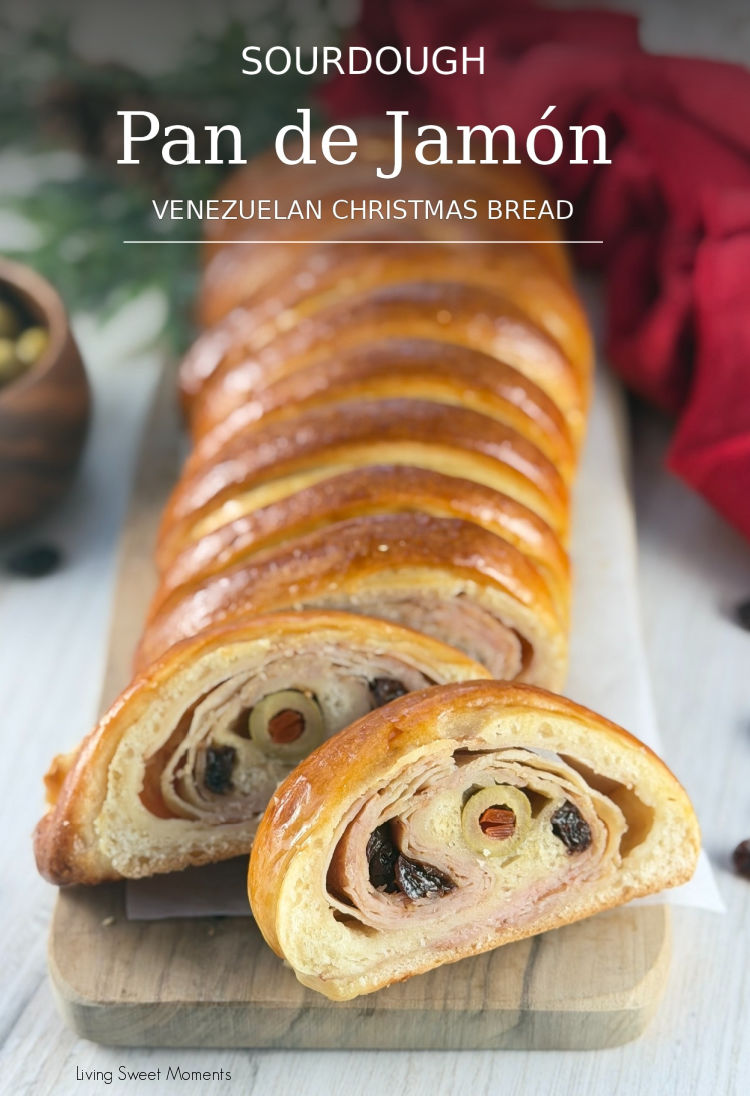
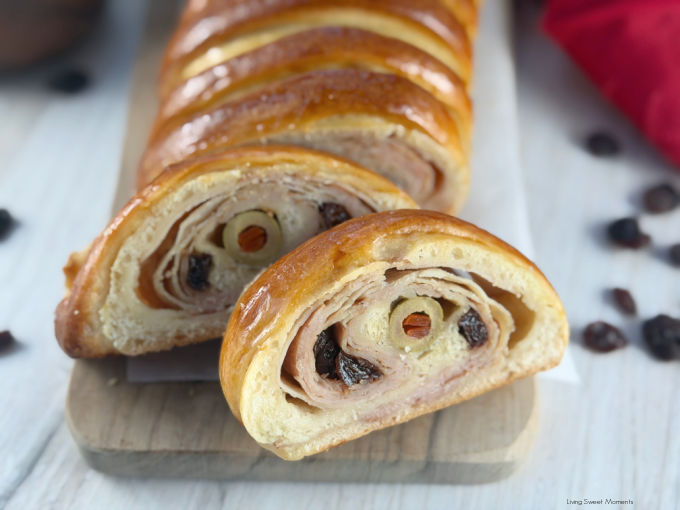
Soft, buttery, slightly sweet, and filled with savory ham or turkey, olives, and raisins, this Sourdough Pan de Jamón brings a beloved Venezuelan Christmas tradition to life using an active sourdough starter instead of commercial yeast. Finished with a glossy papelón glaze, it’s the perfect combination of sweet and savory.
And before we get started, I have a confession.
This bread almost broke me. 😂
Not because it’s particularly difficult to make, but because I was determined to create a sourdough version that tasted exactly like the pan de jamón I grew up eating in Venezuela.
No sour taste. No dense, chewy crust. No giant holes. Just that soft, tender, slightly sweet bread you buy at a Venezuelan bakery during Christmas.
Sounds simple, right?
Ha!
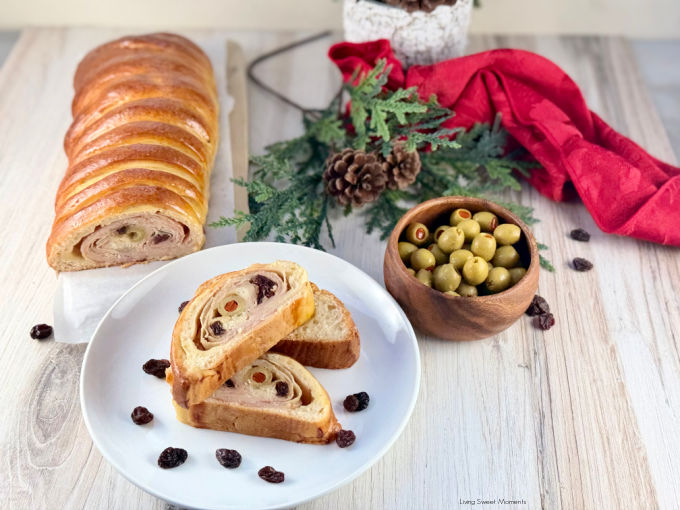
The Pan de Jamón That Almost Defeated Me
If you’ve been following my sourdough adventures, you’ve probably met Betty, my trusty sourdough starter. Betty has helped me make everything from beautiful country loaves to challah and sandwich bread.
But pan de jamón? Apparently, she wanted to make me work for it. Last year, I started experimenting with a sourdough version of this traditional Venezuelan Christmas bread.
The first attempt looked promising on the outside, but when I cut into it, the center was gummy and underbaked.
Not exactly the Christmas miracle I was hoping for. Then came the questions.
Should I use a sweet stiff starter? Should I make a preferment? Should I refrigerate the dough? Could I make the whole thing in one day?
At one point, our proposed schedule had me baking bread at 3 a.m.
I’m sorry, but even Betty isn’t worth staying up until three in the morning. 😂
I wanted a recipe that home bakers could realistically make without spending three days in the kitchen. So we went back to the drawing board.
This time, I started with the ingredients and flavors I already loved in traditional pan de jamón and adapted the dough to use active sourdough starter.
I kept the milk, eggs, butter, and sugar because I wanted a soft, enriched dough rather than a crusty artisan loaf.
I also decided to skip the complicated sweet starter and use Betty directly.
And guess what?
It worked!
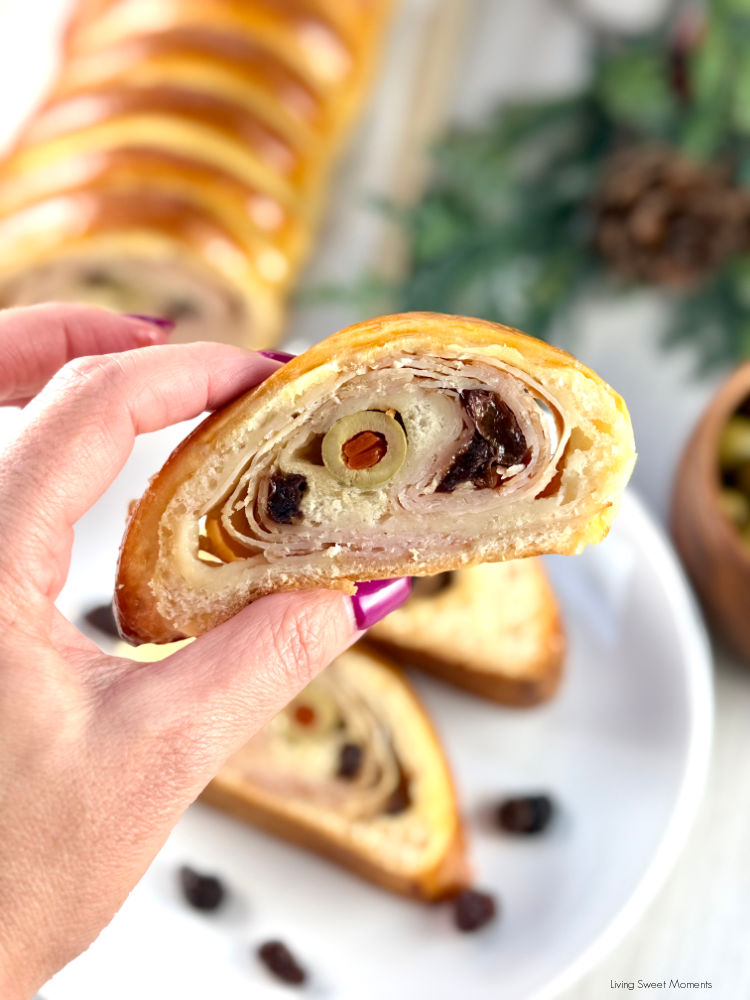
The bread baked up golden, tender, and beautifully glossy. There was absolutely no sourdough tang.
My family loved it, and my mom couldn’t stop talking about how delicious it was.
After all those experiments, that was the moment I knew we had something special.
What Is Pan de Jamón?
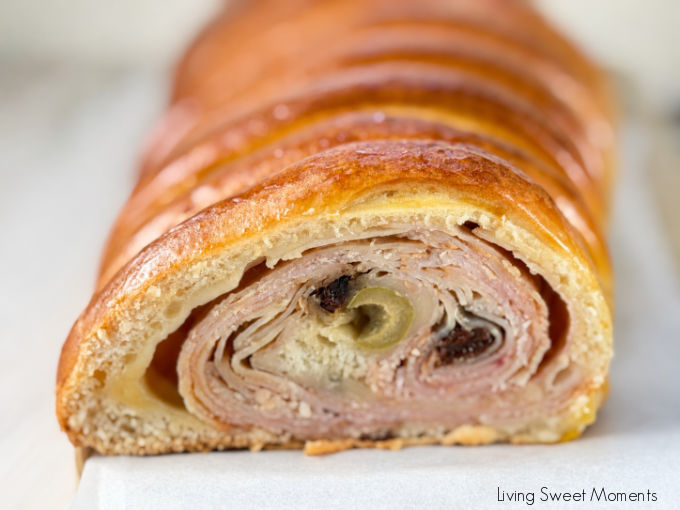
Pan de jamón is a traditional Venezuelan Christmas bread made with a soft, slightly sweet dough rolled around ham, green olives, and raisins.
It’s sliced into beautiful spirals, with a little bit of everything in each bite.
The combination might sound unusual if you’ve never tried it.
Sweet raisins? Salty olives? Ham? All inside bread?
Trust me on this one.
It works.
In Venezuela, pan de jamón is a staple of Christmas celebrations, often served alongside hallacas, chicken salad (ensalada de gallina), and other holiday favorites.
For me, Christmas simply wouldn’t be the same without it.
I use sliced turkey instead of ham in my version, but traditional ham works beautifully too.
Years ago, I shared a much faster Holiday Ham Rolled Bread Recipe (Pan de Jamón) using store-bought refrigerated French bread dough.
That shortcut is perfect when you’re short on time.
But this recipe is for those of us who love making bread from scratch and want to bring our sourdough starters into the Christmas festivities.
Betty deserves to celebrate too.
Why You’ll Love This Sourdough Pan de Jamón
- No commercial yeast: The dough is naturally leavened with active sourdough starter.
- Soft, tender texture: Milk, eggs, butter, and sugar create a rich dough that tastes more like bakery bread than traditional crusty sourdough.
- No noticeable sourness: My finished bread tasted sweet and buttery, without the tang you might expect from sourdough.
- Make-ahead dough: An overnight refrigerator rest lets you divide the work between two days.
- Beautiful presentation: The decorative dough strips and shiny papelón glaze make this bread perfect for a Christmas table.
- Sweet and savory: Turkey or ham, raisins, and olives create that unmistakable Venezuelan holiday flavor.
Why This Sourdough Dough Works
Traditional sourdough bread usually contains flour, water, starter, and salt.
Pan de jamón needs something different.
We want a soft, enriched dough that rolls easily, holds a generous filling, and bakes into a tender bread rather than a chewy artisan loaf.
That’s why this recipe includes several ingredients you might not expect in a basic sourdough recipe.
- Milk contributes softness and a richer flavor.
- Eggs help create a tender crumb and give the dough structure.
- Butter adds richness and keeps the bread from feeling dry.
- Sugar provides that gentle sweetness characteristic of Venezuelan pan de jamón.
- And an active sourdough starter provides the leavening without commercial yeast.
- Because this is a rich dough, fermentation can take longer than it does with regular sourdough bread.
Patience is important, but watching the dough is even more important than watching the clock.
Suggested Sourdough Pan de Jamón Timeline
This is a two-day baking project, but most of the time is hands-off.
The following schedule reflects the approximate timing of my successful dough fermentation. The filled-loaf proof is a step that still needs further testing.
🕰 Sourdough Pan de Jamón Timeline
Here’s how I divide this recipe into two days so I can enjoy homemade pan de jamón without spending Christmas Eve in the kitchen until midnight. Most of the time is hands-off!
| Stage | Time | Action |
|---|---|---|
| Day 1 – Morning | 9:00 AM | Feed Betty (active starter) |
| Day 1 – Afternoon | 2:00 PM | Mix and knead dough |
| Day 1 – Afternoon | 2:30-9:00 PM | Bulk fermentation |
| Day 1 – Evening | 9:00 PM | Refrigerate overnight |
| Day 2 – Morning | 9:00 AM | Prepare filling and papelón syrup |
| Day 2 – Morning | 9:30 AM | Divide, roll, and fill |
| Day 2 – Late Morning | Timing TBD | Final proof* |
| Day 2 – Baking | After proof | Bake at 325°F for about 50 minutes |
| Day 2 – Finishing | After baking | Brush with papelón syrup and cool |
A little sourdough reminder: Your starter and kitchen temperature determine how quickly the dough ferments. Watch the dough, not just the clock!
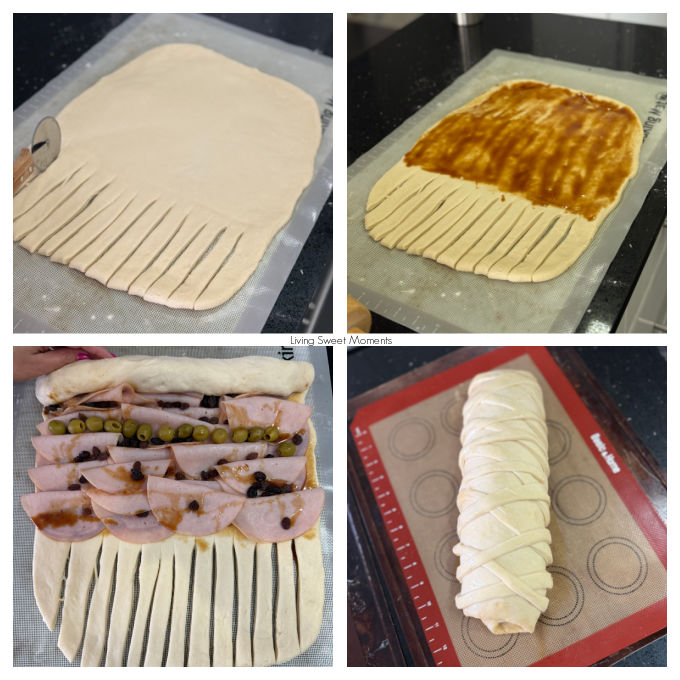
Process Pictures
Tips for the Best Venezuelan Sourdough Pan de Jamón
Use an active starter. A sluggish starter will make an already slow enriched dough take even longer to rise.
Don’t rush the first fermentation. This dough contains butter, sugar, eggs, and milk, which can slow fermentation.
Roll the dough thinly. This helps prevent an overly thick spiral and gives you a better bread-to-filling ratio.
Don’t overfill with syrup. A thin layer adds flavor without making the interior wet.
Spread the filling evenly. You want olives, raisins, and turkey or ham throughout the spiral.
Bake thoroughly. A beautifully browned exterior doesn’t automatically mean the center is done.
Brush the papelón syrup while the bread is hot. This creates the glossy finish I love.
Troubleshooting Sourdough Pan de Jamón
My dough isn’t rising.
Enriched sourdough can ferment more slowly than regular sourdough.
Make sure your starter was active when you mixed the dough. A cool kitchen can also extend fermentation considerably.
My bread is dense.
The dough may not have fermented enough before shaping, or your starter may have been weak.
Allow the dough to develop noticeable volume during bulk fermentation.
The center is gummy.
This happened to me during an earlier experiment.
Possible causes include underbaking, excessive moisture from the filling, or dough rolled too thickly.
Make sure the bread is thoroughly baked and allow it to cool before slicing.
My bread has large gaps around the filling.
Some separation can happen as moisture from the filling turns to steam.
Try rolling the dough evenly, avoiding large air pockets, and distributing the filling consistently.
My bread tastes sour.
A very acidic starter or excessively long warm fermentation can contribute sour flavors.
Use a recently fed, active starter and avoid allowing the dough to overferment.
My dough keeps shrinking when I roll it.
Let it rest for 10–15 minutes, then try again.
The gluten needs a little time to relax.
Sourdough Pan de Jamón Variations
One of the things I love about pan de jamón is how easily you can customize the filling. While the traditional Venezuelan version uses ham, there are plenty of delicious ways to make it your own.
Traditional Ham Pan de Jamón: The classic Venezuelan version! Use thinly sliced ham with green olives and raisins for that familiar sweet-and-savory Christmas flavor.
Turkey Pan de Jamón: This is the version I made for my family, and it was a huge hit. The turkey works beautifully with the slightly sweet dough and papelón glaze.
Pastrami Pan de Jamón: Oh, this one is delicious! Pastrami adds a rich, peppery, savory flavor that pairs surprisingly well with the sweetness of the bread. If you love pastrami, you absolutely need to try this variation.
Extra Olives: If you’re an olive lover, go ahead and add a few more. Their salty flavor balances the sweetness of the dough and raisins.
Without Raisins: I know, I know. Raisins in bread can be controversial! Personally, I love them in pan de jamón, but if you’re firmly on Team No Raisins, you can leave them out.
Brown Sugar Glaze: Can’t find papelón? You can substitute brown sugar to make the glaze. The flavor will be slightly different, but you’ll still get that beautiful sweet finish.
Storage and Freezing
Because this bread contains cooked deli meat, it needs to be stored differently from ordinary sourdough bread.
Refrigerator: Cool promptly, wrap well, and refrigerate within two hours of baking. Keep for approximately 3–4 days.
Freezer: Wrap the cooled loaf or individual slices tightly in plastic wrap and then aluminum foil or a freezer-safe bag. Freeze for best quality within 2–3 months.
Reheating: Warm refrigerated slices in a covered oven-safe dish at 325°F until heated through. For food safety, reheat leftovers to 165°F.
Freezing individual slices is especially convenient during the holidays.
You can take out just what you need without defrosting an entire loaf.
Frequently Asked Questions
Can I make pan de jamón with sourdough starter instead of yeast?
Yes! This recipe uses active sourdough starter as the only leavening agent. No commercial yeast is needed.
Does sourdough pan de jamón taste sour?
It doesn’t have to.
My finished bread had no noticeable sourdough tang. It tasted soft, buttery, and slightly sweet, just like traditional bakery-style pan de jamón.
Do I need a sweet stiff starter?
No. I used my regular active 100% hydration sourdough starter.
Can I make sourdough pan de jamón in one day?
A same-day version may be possible with changes to the fermentation process, but this formula was developed using an overnight refrigerator rest.
I prefer not to promise a same-day method until I’ve properly tested it.
Can I refrigerate the dough overnight?
Yes. Refrigerate the unfilled dough after bulk fermentation, then roll and fill it the next day.
Can I use turkey instead of ham?
Absolutely. I use turkey in my pan de jamón, and my family loves it.
Why are there raisins and olives in pan de jamón?
They’re part of the traditional Venezuelan sweet-and-savory flavor combination.
The raisins add sweetness, while the olives provide a salty contrast to the rich bread and meat.
What is papelón?
Papelón, also known as panela in many Latin American countries, is unrefined cane sugar.
It has a rich caramel-like flavor and makes a wonderful glaze for pan de jamón.
Can I freeze pan de jamón?
Yes. Once cooled and promptly refrigerated, wrap it tightly and freeze. Individual slices are especially convenient.
A Little Piece of Venezuela at Christmas
For me, pan de jamón is more than just bread.
It’s Christmas in Venezuela.
It’s family gatherings, holiday meals, and the excitement of cutting into a beautiful loaf to reveal all those delicious layers.
And now, after a whole lot of experimenting, I finally have a sourdough version that gives me the flavor and softness I wanted.
I wish I could tell you Betty behaved perfectly from the beginning.
She didn’t.
But apparently, she just needed a little extra attention.
And judging by how much my family loved this bread, it was worth every experiment.
If you’re a sourdough baker who loves Venezuelan food, I hope this recipe becomes part of your Christmas traditions too.
And if you’re not quite ready for a two-day sourdough project, don’t forget my quick Pan de Jamón recipe using store-bought dough.
Both have a place at the Christmas table.
Happy baking, and Feliz Navidad! ❤️🇻🇪
oaf
Sourdough Pan de Jamón (Venezuelan Christmas Bread)
Ingredients
For Bread
- 465 g bread flour
- 150 g sourdough starter active
- 180 g milk lukeward
- 95 g sugar
- 2 eggs large
- 100 g butter, unsalted softened
- 9 g salt
For Papelon Syrup
- 50 g grated papelón or dark brown sugar
- 25 g water
For Filling
- 900 g thinly sliced smoked ham
- 120 g raisins
- 160 g pitted green olives sliced and well drained
For Finishing
- 1 egg lightly beaten
Instructions
For Papelon Syrup
- Combine the grated papelón and water in a small saucepan. Heat gently until dissolved and slightly syrupy. Remove from heat and cool completely. We w
For Dough
- Feed your starter early enough that you have 150 g of active starter at or near peak when mixing. It should be bubbly, expanded, and smell pleasantly yeasty, without a sharp acidic aroma.
- In the mixer bowl, combine the milk, active starter, sugar, and eggs.Add the bread flour and mix on low speed until a shaggy dough forms.Cover and rest for 15–20 minutes.
- Add the salt, then gradually incorporate the softened butter in several additions.Knead on low speed until the dough is smooth, elastic, and passes a windowpane test. This may take approximately 10–15 minutesThe finished dough should be soft, supple, and slightly tacky, but manageable.Important: Don't add extra flour simply because the dough initially feels sticky. Give the butter time to incorporate and the gluten time to develop.
- Transfer the dough to a lightly greased container. Cover and ferment at approximately in a warm place. Aim for 40–50% increase in volume, rather than doubling. Estimated time: 4–6 hours
- Once the dough reaches the target rise, refrigerate covered for 10–14 hours
- Remove the dough from the refrigerator. Divide into two equal pieces, approximately 500 g each.Let the dough rest for 20 minutes, just until pliable enough to roll.On a lightly floured surface, roll each piece into a rectangle approximately 12 × 16 inches, aiming for about ⅛-inch thickness.If the dough springs back, cover and rest for 10 minutes before continuing.
- Brush each rectangle with a very thin layer of cooled papelón syrup.Distribute half the ham over each rectangle, followed by half the raisins and olives. Leave approximately 1 inch uncovered along the edge where you'll seal the loaf.Avoid thick piles of ham or excess syrup, which can interfere with even baking
- Roll from the shorter side to create a loaf approximately 12 inches long.Roll evenly and snugly enough to hold its shape, but do not compress the filling.Pinch the seam and ends closed. Place seam-side down on a parchment-lined baking sheet, leaving plenty of space between the loaves.Prick the top of each loaf several times with a skewer to allow steam to escape
- Cover loosely and proof until the loaves look noticeably puffy and feel lighter.Estimated time:3-5 hours, possibly longer. The dough should have visibly expanded, but it doesn't need to double.
- Preheat the oven to 325°F (163°C).Brush the loaves lightly with egg wash.Bake on the middle rack, beginning to check around 40 minutes.For this first test, budget approximately 45–60 minutes, although the actual time may differ.Tent loosely with foil if the crust browns too quickly.Check the thickest dough section with an instant-read thermometer. Aim for approximately 190–195°F
- Remove from the oven and brush lightly with more papelon syrup while warm, Cool for at least 60 minutes before slicing.




Leave a Reply